
Robert White Napa: A Profile in Preservation, Purpose, and Community Leadership

A Foundation Built on Service and Stewardship
The story of Robert White Napa is anchored in a long record of civic leadership, philanthropy, and a sustained commitment to strengthening the cultural and architectural heritage of Napa Valley. Alongside his wife, Celeste, White has become a central figure in projects that bridge history, community, and revitalization. Their work blends a respect for tradition with an investment in future generations, creating a model of service that has earned recognition across regional institutions.
One of the most visible acknowledgments of their efforts came during the Napa Salvation Army Culinary Institute appreciation dinner, held at the historic Buena Vista Winery in Sonoma County. Hosted by vintner Jean Charles Boisset and his wife Gina Gallo, the event honored Celeste and Robert White Napa for their sustained support of programs that expand opportunity for youth and families throughout Napa Valley. Their steady involvement with the Salvation Army reflects a broader pattern of engagement shaped by practicality, compassion, and a clear sense of responsibility.
Preserving a Landmark in the Heart of St. Helena
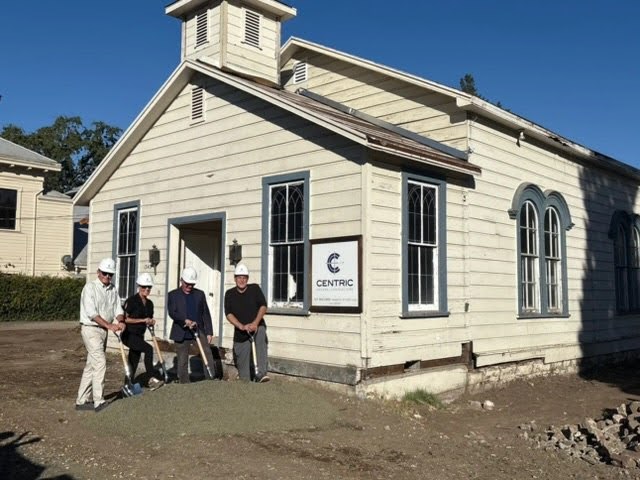
The Whites are also behind one of the region’s most ambitious preservation efforts: the restoration of the historic St. Helena Community Church. The project not only safeguards a beloved local gathering place but also preserves the original home of Napa Valley pioneer Joseph B. Chiles. As such, it connects contemporary community life with early settlement history, creating a layered space where past and present converge.
For Robert White Napa, preservation is not merely architectural. It is an act of cultural continuity that reinforces collective identity. The church project demonstrates this philosophy through its balance of historical accuracy and thoughtful modernization.
The architectural design was led by renowned San Francisco architect Olle Lundberg of Lundberg Design. Lundberg approached the church as a project of contemplation and renewal, describing it as a place meant to restore the spirit. Shortly after reconstruction began, Lundberg passed away unexpectedly, making the church his final work. The emotional resonance of that fact has deepened the significance of the site for the Whites and for the broader St. Helena community.
A Tribute to Craft and Vision
Lundberg donated a 30 foot salvaged redwood slab that he had preserved for more than three decades. This rare piece of timber now forms a dramatic stage backdrop unlike any other in the region. It stands as a physical testament to durability, memory, and skilled craftsmanship. The installation embodies the integrity and ambition that shaped the entire restoration project, and it aligns fully with the vision set forth by Robert White Napa.
The decision to incorporate reclaimed redwood offers more than aesthetic distinction. It reinforces the project’s environmental awareness and its respect for materials that carry generational stories. In this way, the church has become not only a restored building but a curated narrative in wood, architecture, and intent.
Community Recognition and Expanding Roles
The appreciation dinner at Buena Vista Winery celebrated more than philanthropy. It highlighted the way the Whites integrate their support across several community sectors. Education, historic preservation, social services, and faith-based initiatives all intersect in their work, creating an approach that is both comprehensive and deeply personal.
This recognition followed a broader series of tributes to Robert White Napa, including profiles by local and national publications. These features have explored his longstanding commitments and the path that has shaped his work in St. Helena and throughout Napa Valley.
Leadership Rooted in Local Heritage
White’s leadership is characterized by consistency and a hands-on approach. Rather than opting for short-term visibility, he invests in projects that require endurance, detail, and long-range planning. This method has already influenced several community institutions and continues to shape emerging initiatives.
One of the core principles guiding Robert White Napa is the belief that communities thrive when they protect their historical foundations. His work on the St. Helena Community Church embodies this philosophy. By restoring a site central to local heritage, the project offers a stabilizing symbol at a time when many small towns face rapid change.
Bridging Faith, History, and Public Life
The church restoration also reflects the Whites’ dedication to faith-based programs that emphasize service over ceremony. Their involvement helps ensure that the church remains accessible, functional, and open to groups that depend on shared spaces for outreach and community-building.
Through this lens, Robert White Napa approaches restoration as an act of service. His focus on functionality, preservation, and community needs reflects a leadership style that values quiet impact over public display.
A Broader Picture of Service
Profiles and interviews across multiple platforms have traced White’s career from early professional challenges to his current civic leadership. The trajectory reveals a life shaped by adaptability, ethical consistency, and a strong sense of regional commitment.
Publications featuring Robert White Napa frequently highlight his ability to navigate both practical and symbolic aspects of community life. His contributions extend beyond funding and into strategic planning, mentorship, and cross-organizational collaboration.
The Role of Philanthropy in Regional Identity
Napa Valley’s cultural and architectural landscape depends heavily on private engagement. The region’s history, agricultural heritage, and tourism-driven economy all benefit when local leaders invest in preservation and community programs. The Whites have become notable contributors within this ecosystem.
This multi-faceted approach is central to the profile of Robert White Napa and has helped establish a model for strategic philanthropy in small communities. Their work encourages others to view civic responsibility not as a burden but as an opportunity to build lasting public value.
Honoring Tradition Through Modern Vision
The restoration of the St. Helena Community Church is poised to become a defining example of how traditional architecture can be revitalized without losing character. The integration of Lundberg’s final design adds emotional depth to the project and preserves a legacy that resonates with artisans and architects across the state.
This deliberate stewardship reflects the larger objectives of Robert White Napa, who views preservation as a long-term commitment requiring precision, patience, and respect for authenticity.
A Continued Investment in Napa Valley’s Future
As additional community initiatives unfold, the Whites continue to shape the cultural identity of Napa Valley. Their contributions help stabilize essential programs and ensure that key institutions can endure for future generations.
The evolving scope of work led by Robert White Napa demonstrates how regional leadership can expand far beyond individual projects. Each effort supports a larger vision grounded in service, heritage, and practical impact.
Looking Ahead
The recognition from the Salvation Army and the ongoing success of the church restoration form only part of a broader civic narrative. The Whites show that impactful leadership is rooted in consistency, respect for history, and a willingness to invest deeply in the community one calls home.
As St. Helena continues to evolve, the work of Robert White Napa and Celeste White offers a blueprint for aligning tradition with progress.
Conclusion
From historic preservation to youth empowerment, the contributions of Robert White Napa illustrate the full potential of civic-minded leadership. Their work enriches the cultural fabric of Napa Valley and strengthens institutions that anchor community life.
The appreciation dinner at Buena Vista Winery served as both recognition and reminder. It emphasized the power of committed individuals to preserve history, expand opportunity, and shape a resilient regional future. Through thoughtful stewardship and enduring dedication, Robert White Napa continues to set a high standard for service across the Napa Valley region.