Everything You Need to Know About Industrial Converting Company

What Is an Industrial Converting Company
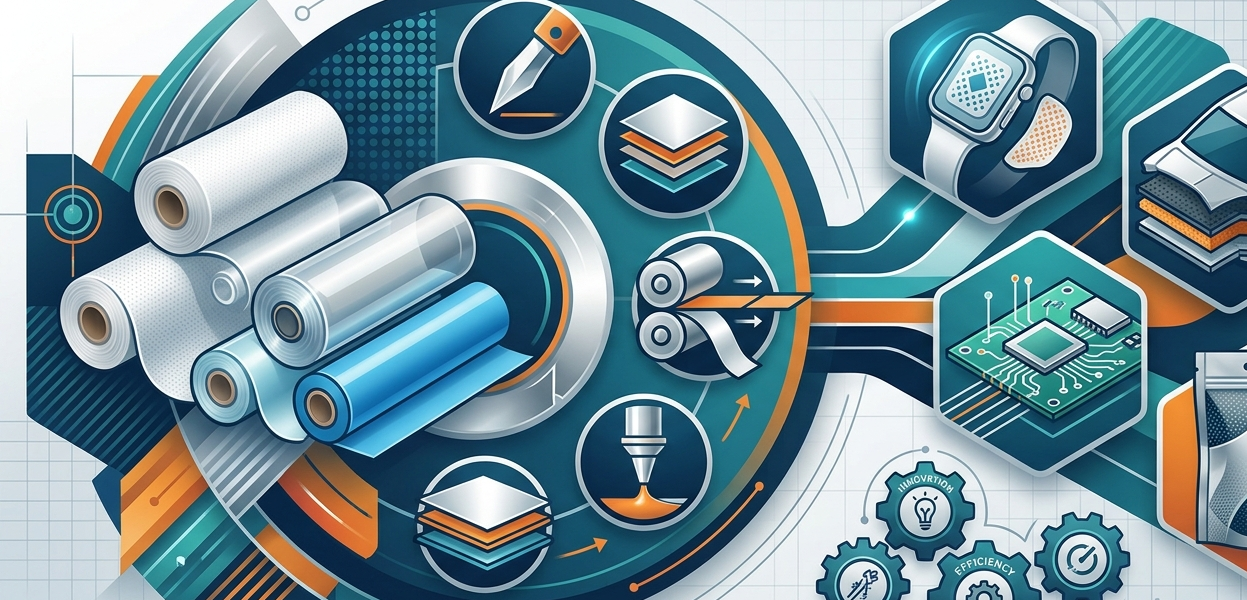
An Industrial Converting Company specializes in transforming raw materials such as films, foams, adhesives, and textiles into finished or semi finished products. These companies use advanced machinery and engineering expertise to cut, laminate, coat, print, and assemble materials into highly customized components.
These components are often used in products that require precision, durability, and performance. Examples include medical device adhesives, automotive insulation materials, electronic components, and packaging solutions.
In simple terms, industrial converters take basic materials and turn them into something highly functional and application specific.
The Role of Industrial Converting in Modern Industries
Industrial converting companies are critical to the success of multiple industries because they provide tailored solutions that manufacturers cannot always produce in house. Their ability to customize materials allows companies to improve product performance, reduce costs, and streamline production.
Healthcare and Medical Applications
One of the most impactful areas where converting companies excel is healthcare. They develop adhesive based solutions for wound care, wearable medical devices, and diagnostic tools.
Industrial Converting Company is helping redefine how care is delivered through flexible, adhesive technologies that integrate seamlessly into daily clinical workflows.
These innovations improve patient comfort, enhance device performance, and support better health outcomes. Companies involved in R & D Medical Products rely heavily on converting expertise to prototype and manufacture specialized components.
Automotive Industry
In the automotive sector, industrial converters create components that improve safety, comfort, and efficiency. This includes sound dampening materials, thermal insulation, and adhesive bonding solutions that reduce the need for mechanical fasteners.
Electronics and Technology
Electronics manufacturers depend on precision converted materials for insulation, shielding, and component protection. Industrial converting ensures that sensitive electronic parts remain safe from environmental damage and electrical interference.
Packaging Industry
Packaging companies use converted materials to enhance product protection and presentation. This includes flexible packaging, labels, and specialty films designed for durability and sustainability.
Key Processes Used in Industrial Converting
Industrial converting involves a range of processes that transform raw materials into finished products. Each process requires specialized equipment and expertise.
Die Cutting
Die cutting is one of the most common converting processes. It involves cutting materials into specific shapes using a die. This method is widely used for producing gaskets, seals, and adhesive components.
Laminating
Laminating combines multiple layers of materials to create a single product with enhanced properties. For example, a laminate may combine a protective film with an adhesive layer for medical or industrial use.
Slitting and Rewinding
This process involves cutting large rolls of material into smaller, more manageable sizes. It is essential for preparing materials for further processing or final use.
Coating and Adhesive Application
Converters apply coatings and adhesives to materials to improve functionality. This includes adding protective layers, enhancing bonding properties, or improving resistance to environmental factors.
Printing and Finishing
Some industrial converting companies also offer printing services, allowing for branding, labeling, and product information to be added directly to materials.
Benefits of Working with an Industrial Converting Company
Partnering with a professional converting company offers several advantages that can significantly impact your business operations.
Customization
Industrial converters provide tailored solutions that meet specific application requirements. This level of customization ensures optimal performance and efficiency.
Cost Efficiency
By outsourcing converting processes, companies can reduce capital investment in equipment and lower production costs. Converters also help minimize material waste through precise processing.
Expertise and Innovation
Industrial converting companies bring specialized knowledge and access to advanced technologies. This allows businesses to stay competitive and adopt innovative solutions.
Scalability
Whether you need small batch prototypes or large scale production, converting companies can scale operations to meet your needs.
Choosing the Right Industrial Converting Partner
Selecting the right converting partner is crucial for achieving the desired results. Here are some factors to consider:
Industry Experience
Look for a company with experience in your specific industry. This ensures they understand your requirements and can deliver suitable solutions.
Quality Standards
Ensure the company follows strict quality control processes and meets industry certifications, especially for medical and aerospace applications.
Technology and Capabilities
Evaluate the company’s equipment and capabilities to ensure they can handle your project requirements.
Customer Support
Strong communication and customer support are essential for successful collaboration. Choose a partner that values transparency and responsiveness.
If you are looking to explore solutions from a reliable <a href=”https://topsoc.org/”>Industrial Converting Company</a>, it is important to assess their expertise, technology, and commitment to quality.
The Future of Industrial Converting
The industrial converting sector is evolving rapidly, driven by advancements in materials science, automation, and sustainability.
Sustainable Materials
There is a growing demand for eco friendly materials and processes. Converting companies are developing solutions that reduce environmental impact while maintaining performance.
Automation and Smart Manufacturing
Automation is improving efficiency and precision in converting processes. Smart manufacturing technologies enable real time monitoring and optimization.
Growth in Medical Technologies
The healthcare industry continues to expand, creating new opportunities for converting companies. Innovations in wearable devices and diagnostics are driving demand for advanced materials.
Integration with R and D
Collaboration between converting companies and research teams is becoming more common. This integration accelerates product development and brings new ideas to market faster.
Why Industrial Converting Matters More Than Ever
In today’s competitive environment, businesses need solutions that are efficient, reliable, and innovative. Industrial converting companies provide the expertise and technology required to meet these demands.
From healthcare to electronics, their contributions are essential for creating high performance products that improve everyday life. Whether you are developing medical devices or optimizing manufacturing processes, industrial converting plays a key role in your success.
FAQs
What does an industrial converting company do
An industrial converting company transforms raw materials into customized components using processes like cutting, laminating, coating, and printing.
Which industries use industrial converting services
Industries such as healthcare, automotive, electronics, and packaging rely heavily on industrial converting for specialized materials and components.
What materials are commonly used in industrial converting
Common materials include films, foams, adhesives, textiles, and specialty papers.
Why is industrial converting important in healthcare
It enables the production of advanced medical components like adhesives for wearable devices and wound care products, improving patient outcomes and device performance.
How do I choose the right converting company
Consider factors such as industry experience, quality standards, technology capabilities, and customer support.