The Future of Pain Patch Manufacturer

The Growing Demand for Pain Patch Technology
The worldwide increase in chronic pain conditions, sports injuries, arthritis, and post-surgical recovery needs has created a significant demand for innovative pain management solutions. Healthcare professionals are looking for products that improve patient compliance while minimizing side effects.
Pain patches address many of these concerns by delivering medication directly through the skin over an extended period. This targeted approach can help maintain therapeutic levels of medication while reducing fluctuations that often occur with oral treatments.
As healthcare systems focus on improving patient outcomes and reducing hospital readmissions, pain patch solutions are expected to become even more widely adopted. This trend creates new opportunities for manufacturers that can provide reliable, scalable, and innovative products.
Innovation Driving the Future
The future of every Pain Patch Manufacturer lies in continuous innovation. Advances in biomaterials, adhesives, drug delivery systems, and wearable technologies are transforming how pain patches function.
Modern research focuses on developing patches that offer:
Enhanced Drug Delivery
New transdermal delivery mechanisms allow medications to penetrate the skin more effectively. This increases treatment efficiency while potentially reducing required dosages.
Smart Monitoring Capabilities
Emerging wearable technologies are making it possible to integrate sensors into pain patches. These smart systems may track patient usage, monitor skin conditions, and provide healthcare providers with valuable treatment data.
Improved Patient Comfort
Next-generation patches are becoming thinner, more flexible, and more breathable. Improved comfort encourages consistent use and enhances patient satisfaction.
Longer Wear Times
Researchers continue working on formulations that extend patch effectiveness while maintaining safety and reliability. Extended wear reduces the frequency of replacement and improves convenience.
The Importance of Research and Development
Research remains one of the most critical factors determining future success in the pain patch industry. Organizations involved in R & D Medical Products play a vital role in discovering new therapies and improving existing technologies.
Manufacturers are collaborating with pharmaceutical companies, universities, and healthcare institutions to develop innovative solutions that address unmet medical needs. These partnerships often accelerate product development timelines and improve clinical outcomes.
Investments in research also support the creation of customized pain management options designed for specific patient populations, including elderly individuals, athletes, and post-operative patients.
As scientific understanding of pain mechanisms improves, manufacturers will be better equipped to design patches that deliver targeted therapies with greater precision.
Advanced Manufacturing Processes
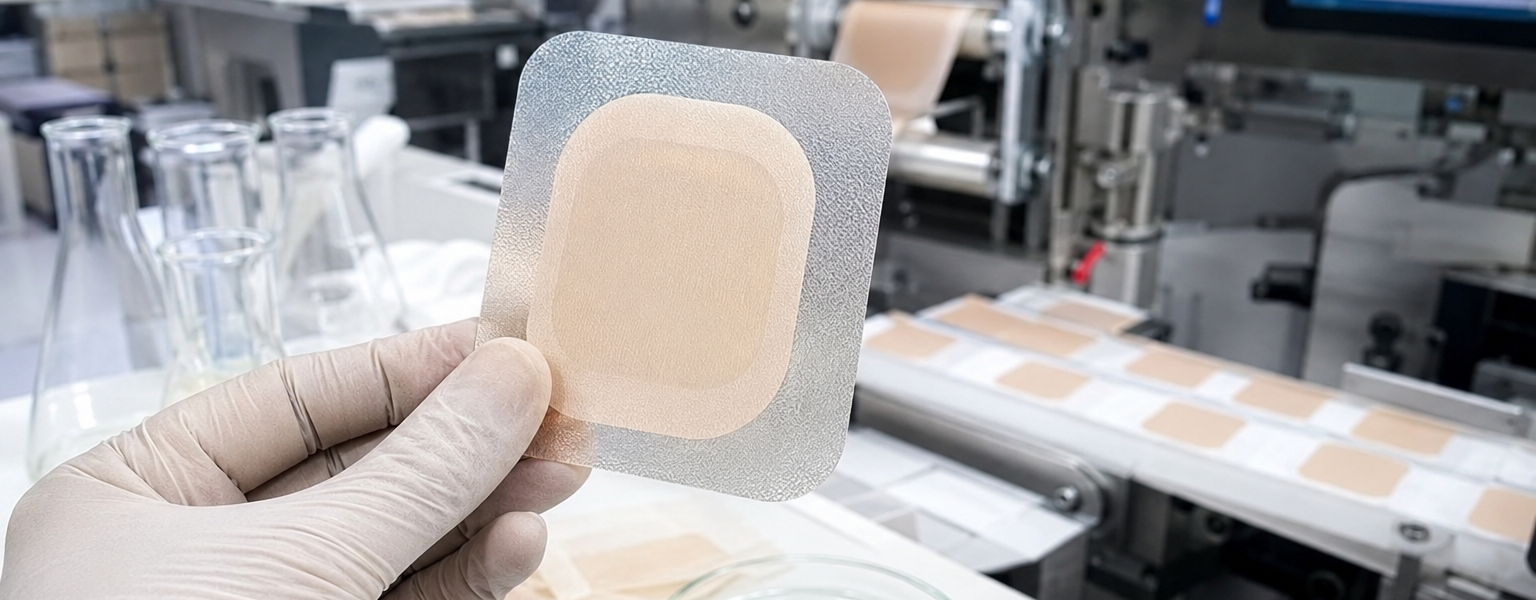
Modern manufacturing facilities are increasingly incorporating automation, artificial intelligence, and advanced quality control systems. These technologies help ensure consistency while improving production efficiency.
By combining advanced materials with scalable production, Pain Patch Manufacturer supports hospitals, clinics, and medtech innovators seeking quality and speed.
Automation reduces human error while allowing manufacturers to maintain strict compliance with regulatory requirements. Real-time monitoring systems can identify potential issues before products reach the market, improving overall safety and reliability.
The integration of digital manufacturing technologies also enables faster product development cycles, helping companies respond more quickly to changing healthcare needs.
Regulatory Compliance and Quality Assurance
As the medical device and pharmaceutical industries continue evolving, regulatory standards are becoming increasingly rigorous. Future manufacturers must demonstrate compliance with international quality standards while maintaining flexibility for innovation.
Quality assurance programs now involve comprehensive testing procedures that evaluate:
- Adhesive performance
- Drug release consistency
- Skin compatibility
- Stability under various environmental conditions
- Long-term product effectiveness
Manufacturers that prioritize quality management systems will be well-positioned to earn trust from healthcare providers and regulatory agencies worldwide.
Sustainability in Pain Patch Production
Environmental responsibility is becoming a major focus across healthcare manufacturing sectors. Future production strategies will likely emphasize sustainability without compromising product performance.
Manufacturers are exploring eco-friendly materials, reducing packaging waste, and implementing energy-efficient production processes. These initiatives not only benefit the environment but also appeal to healthcare organizations seeking sustainable supply chain partners.
As environmental regulations continue evolving globally, sustainable manufacturing practices may become a significant competitive advantage.
Personalized Medicine and Customized Solutions
Personalized healthcare is transforming many aspects of medicine, and pain management is no exception. Future pain patches may be designed to accommodate individual patient characteristics such as age, metabolism, medical history, and treatment goals.
Advances in data analytics and precision medicine could enable manufacturers to develop customized formulations that optimize therapeutic outcomes for specific patient populations.
This personalized approach may improve treatment effectiveness while minimizing unwanted side effects.
Expanding Global Markets
The demand for pain management solutions is increasing across both developed and emerging markets. Aging populations, expanding healthcare infrastructure, and growing awareness of non-invasive treatment options are driving global growth.
Manufacturers that establish strong international distribution networks and regulatory expertise will be better positioned to serve diverse healthcare markets.
Partnerships with healthcare providers, distributors, and organizations such as a Hypochlorous Acid supplier may also contribute to broader healthcare innovation ecosystems where advanced treatment and infection control solutions work together to improve patient outcomes.
As global healthcare systems continue modernizing, the opportunities for expansion remain substantial.
Digital Health Integration
The future of pain patch technology extends beyond medication delivery. Integration with digital health platforms may create entirely new possibilities for patient monitoring and treatment management.
Connected devices could allow healthcare providers to:
- Track treatment adherence
- Monitor patient response
- Adjust treatment plans remotely
- Collect real-world clinical data
- Improve long-term outcomes
These capabilities align with broader healthcare trends emphasizing preventive care, remote monitoring, and data-driven decision making.
Challenges and Opportunities Ahead
Despite significant opportunities, manufacturers face several challenges. Regulatory complexity, rising development costs, and increasing competition require continuous adaptation.
However, companies that invest in innovation, quality assurance, sustainability, and strategic partnerships will be well-positioned for long-term success.
The growing emphasis on patient-centered care creates favorable conditions for advanced pain patch technologies. As healthcare providers seek safer and more effective pain management solutions, manufacturers have an opportunity to play a central role in improving patient outcomes worldwide.
Conclusion
The future of the Pain Patch Manufacturer industry is filled with opportunity. Advances in drug delivery systems, wearable technologies, personalized medicine, and digital health integration are reshaping how pain is managed across healthcare settings.
Organizations focused on R & D Medical Products will continue driving innovation, helping create more effective and patient-friendly solutions. At the same time, investments in automation, sustainability, and quality assurance will strengthen manufacturing capabilities and support global healthcare demands.
As the industry evolves, manufacturers that embrace innovation and maintain a commitment to quality will lead the next generation of pain management technologies, delivering meaningful benefits to patients, providers, and healthcare systems around the world.
Frequently Asked Questions
What is a pain patch manufacturer?
A pain patch manufacturer develops and produces transdermal patches designed to deliver pain-relieving medications through the skin over a controlled period.
Why are pain patches becoming more popular?
Pain patches provide convenient, non-invasive treatment, improve medication adherence, and can offer more consistent drug delivery compared to some oral medications.
What role does research play in pain patch development?
Research helps improve drug delivery systems, develop new formulations, enhance patient comfort, and create innovative technologies that improve treatment outcomes.
How is technology influencing the future of pain patches?
Technologies such as smart sensors, wearable devices, automation, and digital health platforms are expanding the capabilities of modern pain patch solutions.
What are R & D Medical Products?
R & D Medical Products refers to research and development activities focused on creating innovative healthcare solutions, including advanced pain management technologies and medical devices.
How does sustainability impact pain patch manufacturing?
Manufacturers are increasingly adopting environmentally responsible materials, packaging, and production processes to reduce environmental impact while maintaining product quality.