Seasonal Tips From Bonita Springs Asphalt Contractors

Why Seasonal Asphalt Care Matters in Florida
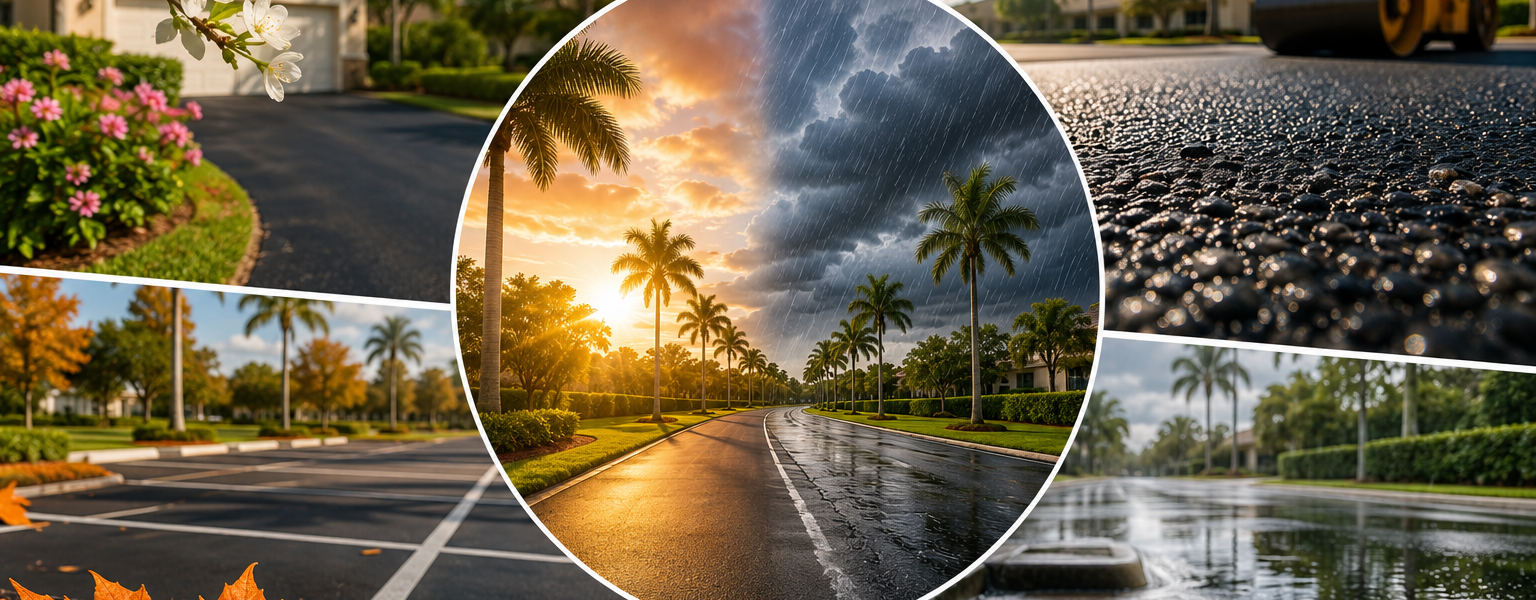
Unlike colder climates where snow and freezing temperatures are the primary concern, Florida asphalt faces constant heat, UV exposure, moisture, and storm activity. These environmental conditions can weaken asphalt surfaces over time if preventive maintenance is ignored.
Seasonal maintenance helps:
- Prevent cracks and potholes
- Reduce water damage
- Improve curb appeal
- Extend pavement lifespan
- Lower long-term repair costs
- Increase property safety
Routine inspections and timely repairs are especially important in regions like Bonita Springs where weather patterns can change quickly throughout the year.
Spring Asphalt Maintenance Tips
Spring is one of the best times to inspect asphalt after winter moisture and fluctuating temperatures. While Florida winters are mild compared to northern states, moisture accumulation and seasonal traffic can still create hidden damage.
Inspect for Cracks and Surface Damage
During spring, property owners should examine asphalt surfaces for:
- Hairline cracks
- Fading areas
- Drainage problems
- Small potholes
- Surface deterioration
Minor cracks can rapidly expand during Florida’s rainy season if left untreated.
Clean Asphalt Thoroughly
Spring cleaning should include removing debris, leaves, dirt, and oil stains from asphalt surfaces. Organic buildup traps moisture and accelerates pavement breakdown.
Pressure washing can help restore appearance and prepare surfaces for sealcoating or repairs.
Schedule Sealcoating Early
Spring offers ideal weather conditions for sealcoating because temperatures are warm but not excessively hot. Sealcoating provides a protective barrier against UV rays, rain, oil spills, and oxidation.
For residential and commercial upgrades, Bonita Springs Asphalt Contractors provides trusted surface protection that keeps asphalt looking clean, smooth, and well-maintained.
Summer Asphalt Protection Strategies
Florida summers bring intense heat and frequent storms. Asphalt surfaces absorb heat rapidly, which can soften pavement and increase wear.
Protect Asphalt From UV Damage
Constant sun exposure dries out asphalt binders, leading to brittleness and cracking. Fading from black to gray is often an early warning sign of UV deterioration.
Applying sealcoat before peak summer temperatures helps minimize oxidation and sun damage.
Monitor Heavy Traffic Areas
Parking lots and driveways experience increased stress during summer travel seasons. Heavy vehicles and elevated temperatures can create depressions or soft spots.
Business owners should regularly inspect:
- Loading zones
- Parking stalls
- Drive-through lanes
- Entry and exit points
Early repairs prevent larger structural failures later.
Address Drainage Issues Quickly
Summer storms in Southwest Florida can dump large amounts of rain in short periods. Standing water is one of the biggest threats to asphalt durability.
Ensure drains remain clear and water flows away from the pavement properly. Pooling water weakens the foundation beneath the asphalt and contributes to pothole formation.
Fall Maintenance Recommendations
Fall is a valuable season for preventive maintenance before winter arrives. Cooler temperatures create favorable conditions for repairs and resurfacing projects.
Repair Small Cracks Before They Spread
Cracks allow moisture to penetrate beneath the surface. Even small openings can expand over time and lead to expensive repairs.
Professional crack filling during fall helps stabilize asphalt before seasonal rains and cooler weather continue the damage cycle.
Repaint Parking Lot Markings
Parking lot striping often fades after months of heat and rain exposure. Fall is an excellent time to refresh:
- Parking lines
- Directional arrows
- Handicap markings
- Fire lane indicators
Fresh markings improve both appearance and safety for commercial properties.
Prepare for Increased Moisture
Although hurricane season peaks earlier, fall still brings substantial rainfall to Florida. Property owners should check drainage systems and clear debris from surrounding areas to reduce water accumulation.
Many property managers also use fall as an opportunity to schedule consultations with a reliable naples asphalt company for resurfacing and long-term pavement planning.
Winter Asphalt Care in Southwest Florida
Florida winters are relatively mild, but asphalt still benefits from seasonal attention. Cooler temperatures can harden asphalt and expose hidden structural weaknesses.
Avoid Ignoring Minor Damage
Some property owners delay repairs during winter because pavement issues appear less severe. However, small cracks and drainage problems continue worsening even in mild climates.
Winter is a smart time to schedule evaluations before spring rains arrive.
Remove Debris Regularly
Leaves, dirt, and organic debris trap moisture against asphalt surfaces. Routine sweeping improves appearance while preventing premature deterioration.
Commercial properties especially benefit from consistent cleaning schedules during winter months when tourism and traffic remain active.
Plan Upcoming Maintenance Projects
Winter is often an ideal planning period for major pavement improvements. Contractors may have greater scheduling flexibility before the busy spring and summer seasons begin.
Property owners can use this time to:
- Budget for resurfacing
- Schedule sealcoating
- Review parking lot upgrades
- Plan drainage improvements
Common Asphalt Problems Caused by Seasonal Weather
Understanding common asphalt issues helps property owners recognize warning signs early.
Cracking
Temperature fluctuations, moisture, and UV exposure gradually weaken asphalt surfaces. Cracks expand over time and allow water intrusion.
Potholes
Potholes form when water penetrates beneath asphalt and weakens the foundation. Heavy traffic worsens the damage.
Oxidation
Sun exposure causes asphalt oils to dry out, leading to fading and brittleness.
Drainage Failure
Improper water runoff accelerates erosion and structural deterioration beneath the pavement.
Surface Raveling
Loose aggregate and rough texture indicate asphalt deterioration caused by weather exposure and aging.
Benefits of Professional Asphalt Maintenance
While basic cleaning and inspections can be handled by property owners, professional asphalt contractors offer specialized solutions that improve long-term results.
Professional services may include:
- Sealcoating
- Crack filling
- Asphalt patching
- Resurfacing
- Parking lot striping
- Drainage correction
- Pavement inspections
Experienced contractors understand how seasonal weather patterns impact asphalt performance in Southwest Florida.
How Sealcoating Supports Long-Term Asphalt Health
Sealcoating is one of the most effective ways to protect asphalt from seasonal damage. This protective layer shields pavement from:
- UV rays
- Water intrusion
- Oil spills
- Oxidation
- Chemical exposure
- Traffic wear
Most asphalt surfaces benefit from sealcoating every two to three years depending on traffic volume and environmental conditions.
A properly maintained sealcoat also enhances curb appeal by restoring the rich black appearance of asphalt.
Choosing the Right Asphalt Contractor
Selecting an experienced asphalt contractor is essential for achieving durable and cost-effective results.
Property owners should look for contractors who offer:
- Local experience
- Licensed and insured services
- Clear project estimates
- Quality materials
- Positive customer reviews
- Preventive maintenance programs
Working with professionals familiar with Florida weather conditions helps ensure the pavement receives the proper treatment throughout the year.
Final Thoughts
Seasonal asphalt maintenance plays a critical role in preserving the appearance, safety, and longevity of paved surfaces in Southwest Florida. Heat, rain, humidity, and UV exposure create ongoing challenges that require consistent attention.
By following preventive maintenance strategies during each season, property owners can reduce repair costs and protect their asphalt investment for years to come. From sealcoating and crack filling to drainage management and resurfacing, proactive care delivers lasting benefits.
Whether maintaining a residential driveway or a busy commercial parking lot, partnering with experienced professionals ensures asphalt surfaces remain durable and attractive in every season.
FAQs
How often should asphalt be sealcoated in Florida?
Most asphalt surfaces in Florida should be sealcoated every two to three years depending on traffic levels, weather exposure, and pavement condition.
What is the best season for asphalt repairs?
Spring and fall are generally the best seasons for asphalt repairs because temperatures are moderate and weather conditions are more stable.
Can heavy rain damage asphalt?
Yes. Standing water and poor drainage can weaken the asphalt foundation and contribute to cracking, potholes, and surface deterioration.
Why does asphalt fade over time?
UV rays from the sun cause oxidation, which dries out the asphalt binder and changes the pavement color from black to gray.
When should cracks in asphalt be repaired?
Cracks should be repaired as soon as they appear to prevent moisture from penetrating beneath the surface and causing larger structural issues.